
Athlete’s foot might sound like something only runners deal with, but the truth is, anyone with feet can get it. It’s a fungal infection that loves warmth and moisture—the kind of environment found inside sweaty shoes or damp socks. The fungus that causes it, called tinea pedis, thrives when your skin stays moist for too long. It begins between the toes, often with itching, cracking, or peeling skin, and can spread quickly if ignored. The good news is, with the right care, it’s completely treatable and preventable.
Fungal infections don’t discriminate. Whether you’re a gym regular, someone who wears tight shoes all day, or just had a long day in warm socks, you could be inviting the fungus to settle in. It often starts small—a little itch, a flaky patch, a bit of redness—but it grows fast when your feet stay damp. Understanding how it spreads and how to stop it is the key to healthy, happy feet.
Recognizing The Early Signs
Before talking about prevention and treatment, it’s important to catch it early. The infection usually starts between the toes, most often the fourth and fifth. The first thing you might feel is itching that just won’t quit. The skin can look dry, scaly, or even cracked. Sometimes there’s redness, and in worse cases, small blisters or peeling that looks like a sunburn. If left untreated, it can spread to the soles or toenails.
Many people ignore it, thinking it’s just dry skin. But if your feet feel itchy after taking off your shoes, or if your socks come off damp, that’s a red flag. The fungus thrives in these conditions, so early attention makes a big difference.
Keeping Feet Clean And Dry
Prevention starts with simple habits. Wash your feet daily with soap and warm water, making sure to clean between the toes. Then dry them thoroughly—especially the spaces between your toes—since even a little moisture can feed the fungus. Think of this as the “no wet zone” rule.
Changing socks at least once a day also helps, especially if your feet sweat a lot. Cotton or moisture-wicking socks are better than synthetic ones because they help air circulate and keep your feet dry. If you spend long hours in shoes, try taking them off for a few minutes during the day to let your feet breathe.
Shoes can also be part of the problem. Tight, closed shoes trap sweat and heat. Go for breathable materials like leather or mesh when you can. Rotate your shoes so each pair gets a chance to air out before you wear them again. Fungal spores can linger in shoes, so giving them time to dry helps stop reinfection.
Simple Treatments That Work
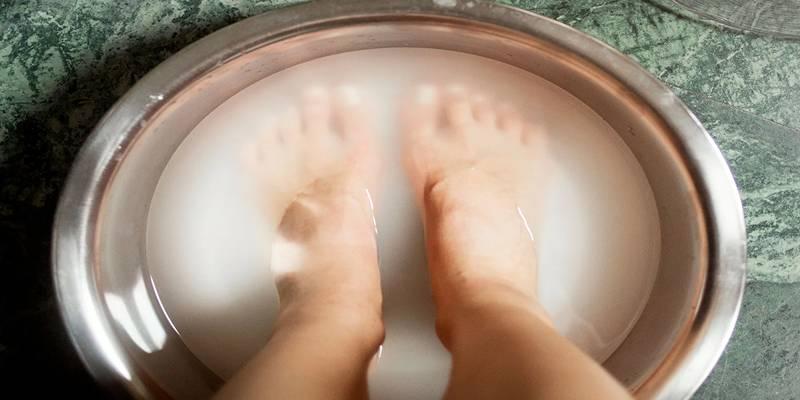
If you already have athlete’s foot, don’t panic. It’s one of the most common and most treatable skin infections. Start with over-the-counter antifungal creams or sprays. These are easy to find at any pharmacy and usually contain ingredients like clotrimazole or terbinafine. Apply the cream as directed, even if the symptoms go away quickly, because the fungus can stay hidden under the skin.
Some people prefer natural approaches alongside medication. Soaking feet in warm saltwater or a mild vinegar solution (one part vinegar to two parts water) can help reduce itching and slow the fungus. Just make sure to dry your feet completely afterward. Avoid using other people’s towels or nail clippers, since the fungus can spread through shared items.
Keep treating the area for a week or two, even after it looks healed. Stopping too early is a common reason infections return. Consistency is your best friend here—stick with the routine until your skin feels normal again.
Avoiding Reinfection And Spreading
Even when your skin clears up, fungal spores can hang around. They love damp floors, like those in showers, gyms, or pool areas. Always wear flip-flops or shower shoes in public places. It may seem unnecessary, but it’s one of the simplest ways to stay safe.
At home, clean your bathroom floor regularly and wash towels in hot water. If you use shared laundry facilities, consider washing socks and towels separately from other clothes. The fungus can survive for a while on fabric, especially when it’s left damp in a laundry basket.
If the infection spreads to your toenails or keeps coming back, it’s worth seeing a doctor. Nail infections take longer to treat and sometimes need prescription medication. Ignoring recurring athlete’s foot can cause more than discomfort—it can lead to deeper skin cracks that let bacteria in, causing secondary infections.
The Role Of Good Footwear
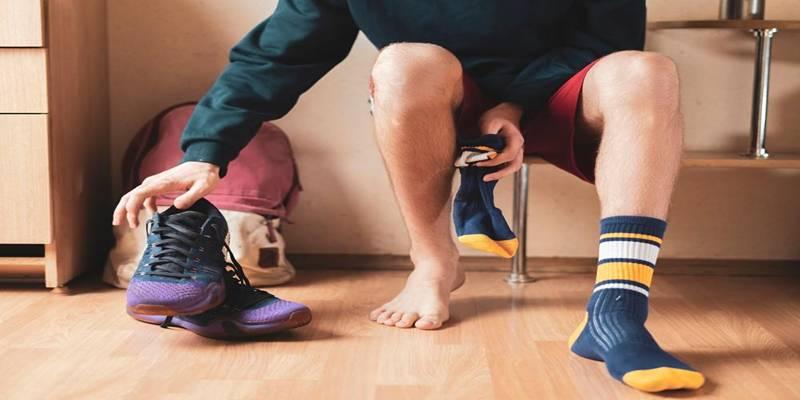
Shoes are like a second home for your feet, so keeping that home clean and breathable makes a big difference. Go for shoes that fit comfortably without squeezing your toes. Tight shoes cause friction and trap moisture.
If possible, use antifungal powder inside your shoes. It helps keep the inside dry and less hospitable for fungi. You can also sprinkle a little powder on your feet before putting socks on, especially if you know you’ll be in them for hours. Some people use baking soda for the same reason—it absorbs moisture and helps with odour too.
When shopping for shoes, remember that style should come second to comfort and airflow. Shoes that breathe are shoes that protect.
Conclusion
Athlete’s foot might be annoying, but it’s not unbeatable. It’s simply a fungus taking advantage of damp conditions and neglected skin. With clean habits, dry socks, breathable shoes, and quick treatment when symptoms show up, you can stop it in its tracks. Pay attention to your feet, keep them dry and clean, and they’ll return the favour by keeping you moving comfortably day after day.
Healthy feet are happy feet, and a little daily care goes a long way toward keeping them that way. Prevention is always easier than cure—so treat your feet with the same care you give the rest of your body.