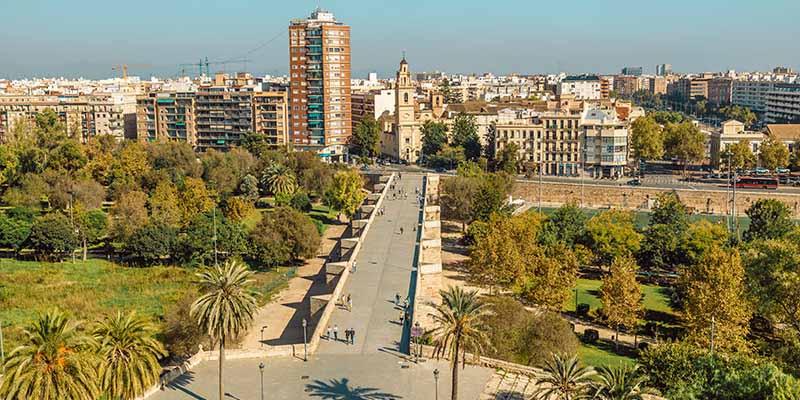
Madrid has no coastline, no sweeping cliffs, and no hills that stretch high into the sky. But it doesn’t need them. The city makes the most of what it has, and some of its best views come from smartly positioned rooftops, public parks, or unexpected buildings with elevator access. If you're looking to see Madrid from above, not just snap a photo but really get a sense of the layout, the scale, and the personality of the place, there are a few spots that stand out.
Cerro del Tío Pío: A Local Favorite for Sunset
This one’s not in the city center, which is part of why it works. Cerro del Tío Pío, often casually referred to as the “Parque de las Siete Tetas” (Park of the Seven Peaks), is tucked into the Puente de Vallecas neighborhood, about a 25-minute metro ride from Sol. From the top of one of its grassy hills, you get a full, open-sky view of Madrid’s skyline. The contrast is what makes it interesting—clusters of high-rises like the Cuatro Torres Business Area rise in the distance, while mid-century apartment blocks and quiet residential zones fill in the foreground.
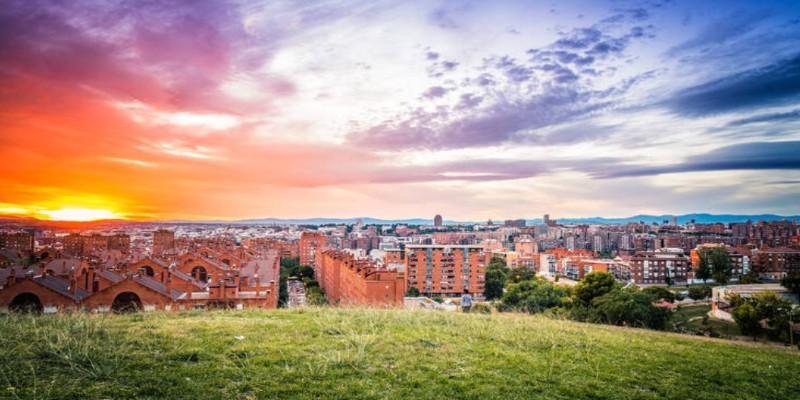
This park is particularly popular at sunset. Locals bring snacks or take-out, sit on the slopes, and watch the sky shift behind the city. You’ll notice the hum of life below, but it feels removed from the tourist buzz. There are no entry fees, no lines, and no curated photo spots. Just raw, panoramic space.
One thing to consider: there are no escalators or elevators here. If mobility is an issue, it can be a bit of a climb. But for anyone able to walk up a moderate hill, it’s manageable. The park is safe, open to the public, and has enough space that you won’t feel crowded even during peak times.
Seasonally, the best time to visit is from late March through early June, or September into mid-October. Summer sunsets are later, which can be a plus or minus depending on your schedule, but it can also be uncomfortably hot with little shade during the day.
Círculo de Bellas Artes: Rooftop View with City Center Detail
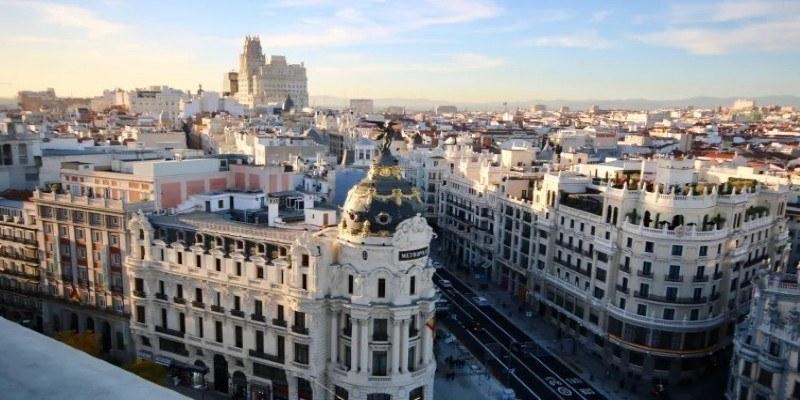
Smack in the middle of Madrid, near the Gran Vía and the Cibeles, the rooftop of the Círculo de Bellas Artes offers one of the best urban views in the city. It’s a cultural center first, but many people skip the exhibitions entirely and just pay the small fee (around 5 euros at the time of writing) to access the azotea.
From up there, you’re eye level with the Metropolis Building’s sculpted dome and can trace the curve of Gran Vía as it snakes west. The buildings here are ornate, with statues, cornices, and tiled rooftops that you just don’t notice from street level. You get a closer look at Madrid’s architectural mix, where Neoclassical and Art Deco designs meet commercial modernity.
Unlike Cerro del Tío Pío, this spot can fill up fast. It's a popular photo location and is often recommended in guidebooks. Still, it's rarely overwhelming. If you come mid-morning or mid-afternoon on a weekday, you'll likely find breathing room. The small café at the top serves drinks and light food, but you don’t need to purchase anything to enjoy the view.
If you're traveling in winter, it's still open, but the wind cuts harder. Bring layers if you want to linger. During peak travel months like May and October, the line for the rooftop elevator can stretch out, especially late in the day.
This viewpoint helps with orientation. You can trace the major arteries of the city, see how neighborhoods connect, and understand why Madrid often feels larger than it looks on a map. It’s a good mental map-builder for first-time visitors.
Faro de Moncloa: A Vertical View of the Western Edge
Not far from the Argüelles and Moncloa metro stations, the Faro de Moncloa is an observation tower that reaches 92 meters into the sky. It looks a bit like a sci-fi control center and feels somewhat forgotten, which oddly works in its favor. It was closed for several years after a safety review, but has been reopened with upgraded systems. The entrance fee is modest, and tickets can usually be bought on the spot.
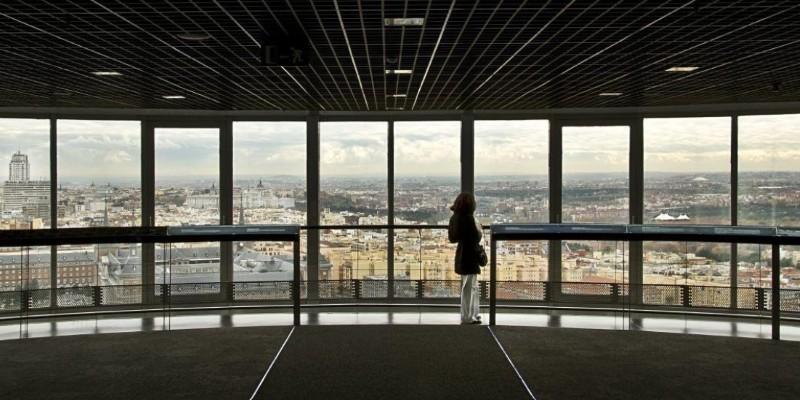
Once inside, a glass elevator lifts you to the top. The observation deck circles the tower, offering a 360-degree view of the city and its outer rim. What’s useful here is the perspective—you can spot landmarks like the Royal Palace, Almudena Cathedral, Casa de Campo, and even the Sierra de Guadarrama mountains on a clear day. The air quality can vary with the season, but when visibility is high, you’ll get a full range of Madrid’s geographic context.
From a traveler’s point of view, this spot solves a problem: how to get a broad, bird’s-eye sense of Madrid’s size without hiking out into the surrounding hills. It also tends to be less busy than the central rooftops, and the wide platform means you won’t have to jostle for window space.
One note: this is not an ideal spot if you’re uncomfortable with heights or enclosed spaces. The elevator ride is brief but very transparent, and the observation area is completely enclosed in glass. It’s not open-air like the Círculo’s rooftop. That’s a plus during windy days or winter months, but it does change the feel.
Weekdays are best if you want quiet. Try late morning, when the sun is high but not yet reflecting hard off the glass. The surrounding neighborhood has a university vibe, with local shops and affordable cafés, so it's easy to make a low-key day of it.
Conclusion
Madrid isn't a city that is overwhelmed with vertical drama. Its elevation changes are subtle, and its buildings rarely soar. But if you know where to look, you'll find places that offer more than just a backdrop for a photo. These viewpoints show different sides of the city—from a relaxed neighborhood hill to an artsy rooftop to a tower on the edge of town. You won't need bookings or insider tips to access them, just a bit of time and a willingness to see the city from a new angle. In Madrid, that's often the best way to understand it.