
Intermittent fasting has become a recurring topic in clinical discussions related to metabolic health, cognitive complaints, and neurological risk management. Interest extends beyond weight control into questions about memory, attention, and long-term brain resilience. Research suggests that meal timing influences cerebral energy use and cellular maintenance. Clinical observations introduce additional variables such as medication timing, nutritional adequacy, and patient adherence. Brain responses to fasting appear context dependent. Understanding these effects requires careful separation of laboratory findings from everyday healthcare realities shaped by individual physiology and clinical constraints.
Metabolic Shifts and Brain Energy Use
Intermittent fasting alters the timing of glucose availability, shifting cerebral energy reliance toward fatty acid–derived ketone bodies during extended fasting periods. In neurobiology research settings, ketones demonstrate the ability to cross the blood–brain barrier efficiently and support neuronal ATP production. These findings generate interest in potential cognitive stability during reduced glucose supply. Translation into clinical care reveals more nuanced outcomes.
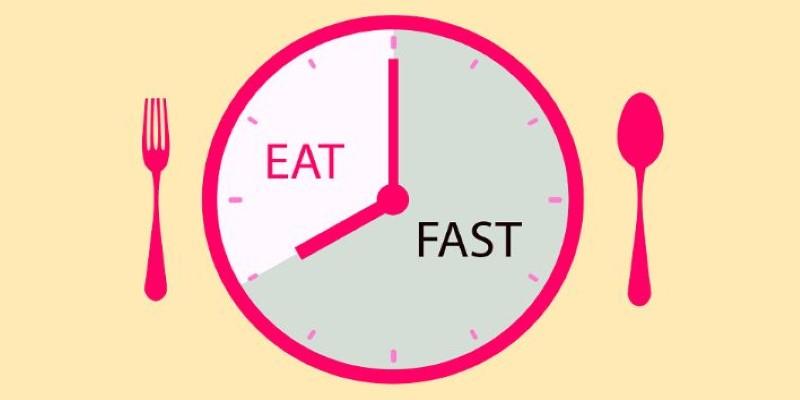
In endocrinology clinics, patients with insulin resistance often attempt fasting to improve metabolic markers. Cognitive symptoms sometimes emerge during early adaptation phases. Reports include morning confusion, slowed verbal recall, and lightheadedness. Fingerstick glucose readings in these cases may show lower fasting values than expected, especially among individuals using glucose-lowering agents. Adjustments to medication timing become necessary to avoid hypoglycemic episodes that compromise cerebral function.
Hospital settings encounter additional complexity. Inpatient fasting protocols for diagnostic procedures occasionally intersect with personal fasting routines. Nursing staff observe that prolonged fasting combined with overnight medication schedules can impair alertness during morning neurological assessments. These effects complicate baseline cognitive evaluation, particularly after stroke or transient ischemic events. Accurate interpretation of mental status exams requires awareness of recent nutritional intake.
Not all outcomes appear negative. Some patients report improved mental steadiness after several weeks of structured fasting, often coinciding with stabilized ketone production. This response tends to appear among metabolically flexible adults without significant comorbidities. Even in these cases, clinicians emphasize hydration and electrolyte balance. Sodium depletion during fasting periods can mimic cognitive decline, presenting as slowed reaction time or impaired focus. Routine lab monitoring helps distinguish metabolic adaptation from nutritional insufficiency.
Neuroplasticity, Cellular Stress, and Repair Processes
Research interest in intermittent fasting often turns toward its effect on cellular repair inside the brain. Periods of reduced intake place neurons under controlled metabolic strain, triggering internal cleanup activity such as autophagy. In academic neurology departments, this process attracts attention because it helps remove damaged proteins linked to aging brains. Human data remain sparse. Most findings come from small trials or short observation windows, limiting confidence in long-term neurological impact.
Clinical observations introduce a different picture. Memory clinics following patients with early cognitive changes report mixed patterns. Some individuals maintain steady test scores across visits, while others struggle with concentration during assessment days. Fatigue plays a role. Restricted intake can leave patients mentally disengaged, which affects recall tasks and reaction time. Clinicians then face difficulty determining if results reflect cognitive progression or temporary energy depletion.
Neurodegenerative disease care presents sharper boundaries. Parkinson’s disease treatment depends on consistent medication absorption. Extended fasting may slow digestion, delaying medication effects and producing visible fluctuations in movement and attention. During clinic visits, patients sometimes report increased stiffness or mental fog on fasting days. Care teams usually advise regular meals to maintain predictable symptom control.
Inflammatory signaling offers another angle. Imaging studies sometimes note reduced inflammation markers after prolonged restriction. Practical relevance remains uncertain. In home-care settings, restrictive eating more often leads to unintended weight loss. Nurses frequently document muscle wasting and low nutrient intake, conditions that accelerate cognitive decline and reduce resilience during acute illness episodes.
Cognitive Performance and Daily Functioning
Cognitive changes during fasting tend to show up in small, uneven ways rather than dramatic shifts. Simple focus may hold steady for several hours, yet tasks that rely on rapid judgment or mental flexibility often feel slower as fasting extends. Occupational health reviews sometimes surface this pattern after minor incidents. A delayed response during equipment checks or an error in medication documentation can trace back to reduced mental speed late in the fasting period.

Sleep frequently shapes these effects. Longer fasting windows may interfere with normal evening fatigue, pushing sleep later into the night. Shortened or fragmented rest then affects recall, emotional control, and sustained attention the next day. Sleep clinics evaluating chronic insomnia occasionally note rigid meal timing alongside reports of morning confusion or irritability.
Neurology services see clearer risks in epilepsy care. Some antiseizure medications depend on regular food intake for stable absorption. Missed meals can shift blood levels enough to trigger breakthrough events, leading to emergency visits. In home-care settings, predictable eating schedules play a different role. For individuals with cognitive impairment, regular meals support routine, reduce agitation, and help caregivers maintain consistent medication timing.
Clinical Decision-Making and Patient Monitoring
Intermittent fasting rarely fits into a standard clinical script. In practice, the topic often surfaces after a patient has already started skipping breakfast, shortening meal windows, or extending overnight fasts, then notices brain fog, headaches, poor concentration, or unusual fatigue. At that point, the assessment moves beyond diet alone.
Primary care teams and neurology services usually review hydration, sleep quality, recent weight change, medication timing, and baseline metabolic status before linking symptoms to fasting itself. Lab work often changes the direction of the discussion. Low sodium, borderline vitamin B12, iron depletion, or untreated thyroid disease can look like cognitive decline during a routine visit.
Dietitians then examine the eating window in detail, not just calorie totals, but protein intake, fiber, fluid balance, and meal composition. Follow-up can be difficult. Symptoms may come and go between appointments. Documentation in the medical record helps specialists compare patterns over time. For patients with diabetes, dementia, frailty, or multi-dose medication schedules, fasting may need limits, close monitoring, or full avoidance.
Conclusion
Intermittent fasting influences brain function through interconnected metabolic, cellular, and behavioral mechanisms. Clinical outcomes vary based on health status, age, medication use, and nutritional adequacy. Research highlights potential neurological effects, yet real-world healthcare settings reveal practical risks alongside theoretical benefits. Cognitive stability depends on careful monitoring and individualized planning. Current clinical practice favors cautious evaluation and ongoing observation, ensuring brain health remains protected amid dietary experimentation across diverse patient populations.