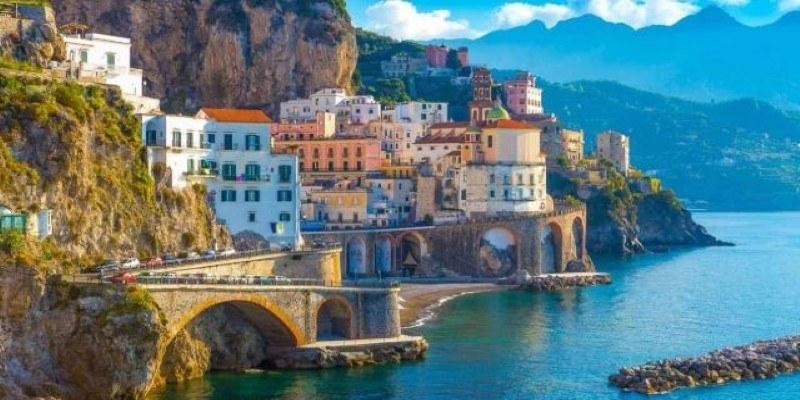
The Amalfi Coast rewards preparation more than most places in Italy. Distances look short on a map, yet travel time stretches fast once ferries sell out or roads lock up with traffic. Many trips unravel at small pressure points. Hotel availability tightens early. Restaurant reservations vanish days ahead. Day trips pile onto the same hours. A thoughtful itinerary turns those friction points into manageable moments. This guide breaks down practical planning choices, based on patterns seen across seasons and traveler behavior. The goal stays simple. Fewer surprises. Better pacing. Enough flexibility to enjoy the coast without rushing through it.
Choosing The Right Base Towns and Nights
Picking a base town solves several real travel problems at once. Luggage transfers, ferry access, and early morning noise vary widely along the coast. Positano draws many first-time visitors, yet room prices spike fast and stair-heavy streets slow arrivals with bags. Amalfi town sits flatter and is connected well by ferry, though it fills with day visitors between late morning and mid-afternoon. Ravello offers quiet evenings but adds extra transfer time each day.
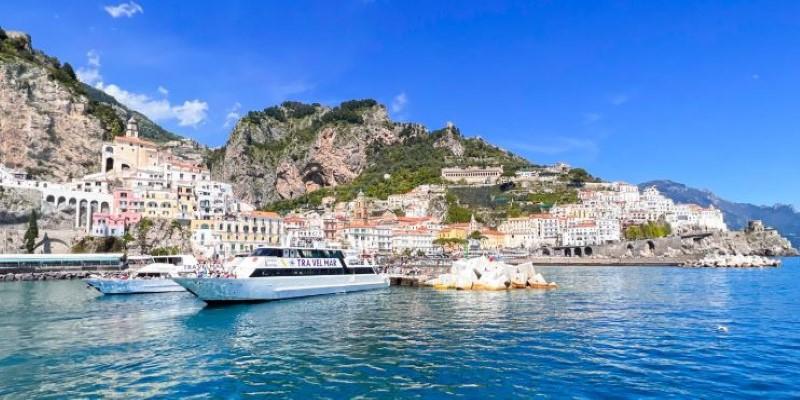
A common scenario involves a traveler booking one hotel for the full stay, then losing hours commuting. Splitting nights helps. Two nights near Amalfi followed by two in Positano balances ferry access with scenic walks. Considerations matter. Hotel check-in times often start mid-afternoon, so same-day town changes cut sightseeing hours. Luggage storage services operate in most ports, yet space runs out during summer weekends.
Season plays a role. In late spring and early fall, ferries run frequently, and evening streets calm down earlier. July and August bring packed sailings by 10 a.m. Staying near a ferry hub reduces stress during peak weeks. Smaller towns work best for slower trips in shoulder months, once transport runs lighter but crowds thin.
Transport Realities Along The Coast
Transport planning prevents lost days. The coastal road looks romantic in photos, yet traffic stalls without warning. Private drivers cost more, though they remove the pressure of tight ferry schedules and missed connections. Buses serve every town, but lines grow long by mid-morning. Standing room becomes common, especially between Amalfi and Positano. A typical challenge appears when travelers plan multiple towns in one day. Ferry delays stack.
Weather shuts down routes with little notice. A morning trip can slip into the afternoon. Ferries work best for one main move per day. Build buffer time around lunch and late afternoon, when crossings feel calmer. Train access adds another layer. Naples and Salerno both serve as gateways. Salerno often feels easier for arrivals, with shorter ferry queues and clearer signage. Naples offers more flight options, but adds time on arrival day.
During the summer, price fluctuations hit fast. Monitoring fares weekly helps lock in better rates before school holiday spikes. Transport passes exist, yet their value depends on usage. A multi-day ferry pass suits travelers staying in central. Bus passes save money for short hops, though comfort drops during peak hours. Flexibility matters more than speed on this coastline.
Structuring Days Without Rushing
Daily structure solves fatigue. Many itineraries fail by cramming too much into daylight hours. The coast works best with one anchor plan per day. A morning walk, a boat ride, or a long lunch. Then space to wander. Trying to fit three towns before dinner leaves little memory beyond transit lines. Real scenarios show travelers booking boat tours on consecutive days, then feeling burned out by noon. Alternating activity levels keeps energy steady.
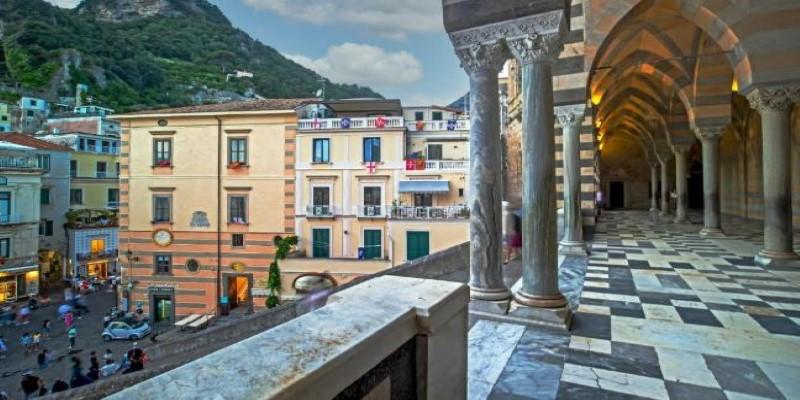
Pair a ferry day with a quieter evening. Save longer walks for days without transfers. Heat peaks early afternoon from June through September, pushing outdoor plans earlier. Booking timing matters. Popular boat trips sell out days ahead in high season. Last-minute cancellations happen more often than expected, usually tied to weather. Keeping one flexible afternoon allows rebooking without stress. Museums and villas rarely require advance tickets, though queues rise midday.
Meal planning also shapes days. Restaurants often open for lunch, close mid-afternoon, then reopen in the evening. Missing that window leads to long waits later. Planning meals around transport times avoids rushed decisions and overpriced tourist menus.
Seasonal Timing and Crowd Management
Timing shapes the entire feel of an Amalfi Coast trip. April and May offer cooler temperatures and less crowd pressure, though ferry service can be spotty depending on sea conditions. September has warm water and fewer crowds, especially later in the month, but prices stay elevated until mid-September. October feels more relaxed, but ferry schedules thin out, and shorter daylight hours limit how much you can do.
Crowd flow follows a pattern tied to cruise ship arrivals. Towns like Amalfi and Positano get dense between 10 a.m. and 4 p.m., then settle again by early evening. Staying overnight in those towns means quieter mornings and evenings, which makes a difference in how enjoyable they feel. Booking early access tickets to villas or boat tours gives a small buffer from the midday surge.
Hotel pricing shifts in waves. The first good rates come early. The next opportunity often appears two weeks out, when cancellations rise. Keeping plans loose during that window helps. Unpredictable weather, especially rough seas, can cancel ferry service without much notice. Having a backup for those days—like an inland hike or visiting Ravello—keeps the day from being wasted.
Conclusion
A strong Amalfi Coast itinerary respects time, terrain, and seasonal behavior. The coastline rewards patience more than speed. Careful base choices reduce daily friction. Transport plans work best with buffers built in. Days feel richer when paced around one main focus. Seasonal awareness protects against crowd fatigue and weather disruptions. Planning does not mean rigidity. It creates room for slower mornings, longer meals, and quieter evenings. With realistic expectations and smart structure, the coast feels generous rather than overwhelming, leaving space for the moments that stay memorable long after the trip ends.