Valencia is a destination that fits naturally into a weekend schedule. The city brings together historic districts, modern architecture, green spaces, and Mediterranean coastline within a layout that favors walking and short transit times. For visitors with limited time, Valencia offers the rare advantage of variety without sprawl.
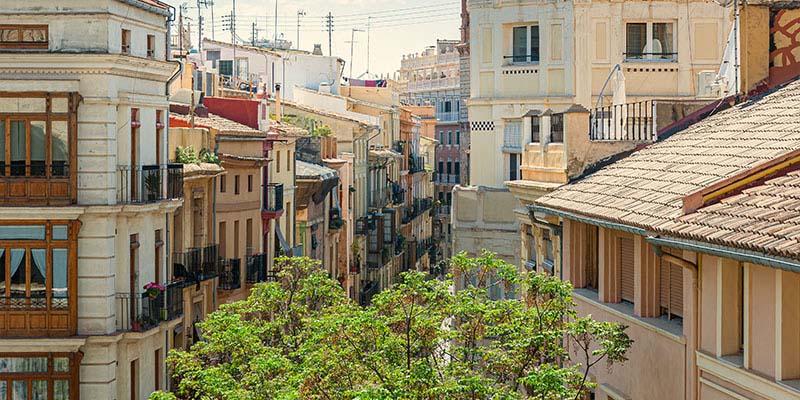
Rather than presenting its attractions in isolated zones, Valencia allows experiences to overlap. A single day can move from medieval streets to futuristic buildings, from shaded gardens to open beaches, without feeling rushed. This balance makes the city especially appealing for travelers who want depth rather than speed during a short stay.
Modern Valencia and Architectural Landmarks
The most visually striking expression of contemporary Valencia appears at the City of Arts and Sciences. Located just outside the historic center, this expansive complex showcases the city’s modern ambitions through bold architectural forms, open plazas, and reflective pools.
The complex includes museums, performance venues, and the Oceanogràfic, which is the largest aquarium in Europe. Even visitors who do not plan to enter specific attractions often spend time walking the grounds, as the area offers uninterrupted views and a sense of scale that contrasts sharply with the older parts of the city.
Helpful tips for visitors
- Visit early in the morning or near sunset to avoid crowds and strong midday sun
- Choose one attraction inside the complex rather than trying to cover everything in one visit
- Comfortable walking shoes are useful, as distances within the complex are larger than they appear
Historic Core and Civic Life
Valencia’s historic center provides the clearest sense of the city’s layered past. Narrow streets open into plazas where religious, civic, and residential buildings stand close together, creating a compact area ideal for unstructured exploration.
Valencia Cathedral anchors this district and reflects centuries of architectural change, blending Romanesque, Gothic, and Baroque styles. Inside, the Holy Chalice adds religious significance, while the surrounding area remains active throughout the day. Nearby, Plaza de la Virgen functions as a social heart, with terraces and open space that invite lingering rather than hurried sightseeing.
Helpful tips for visitors
- Dress modestly if planning to enter the cathedral, as this avoids access issues
- Visit the plaza in the late afternoon to see local activity increase
- Combine this area with nearby sights on foot, as distances are short
Trade, Markets, and Medieval Wealth
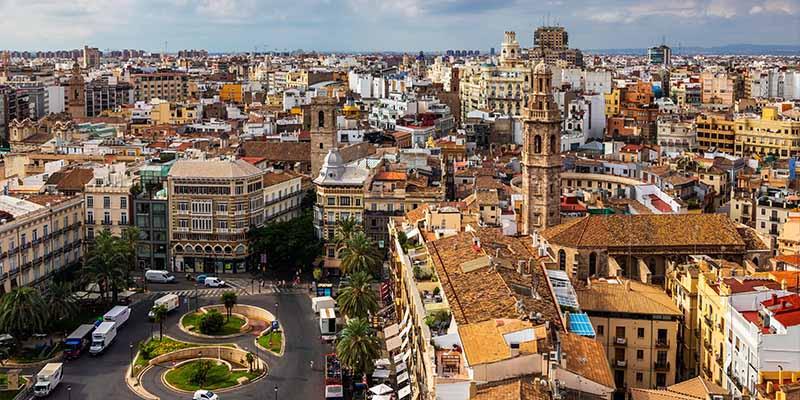
Valencia’s role as a commercial power during the medieval period is most visible at La Lonja de la Seda. This UNESCO-listed building once served as a silk exchange and stands as one of the finest examples of Gothic civil architecture in Europe.
A short walk away, the Central Market continues Valencia’s trading tradition in a modern context. Its iron-and-glass structure houses hundreds of stalls selling produce, seafood, meats, and regional specialties. The market is not designed as a tourist attraction alone but remains an active part of daily life, which gives it a lived-in atmosphere even during busy hours.
Helpful tips for visitors
- Visit the market in the morning for the widest selection and liveliest atmosphere
- Keep small cash available for quick purchases
- Pair La Lonja and the market in the same visit to minimize walking time
Neighborhoods and Street Life
Beyond major landmarks, Valencia’s identity is shaped by its neighborhoods. Barrio del Carmen stands out as one of the most atmospheric districts, located within the old city walls. Medieval towers, historic palaces, street art, and informal dining spaces coexist within a dense network of streets.
This area rewards wandering rather than planning. Small plazas appear unexpectedly, cafés spill into narrow streets, and historic buildings are reused rather than isolated. Barrio del Carmen reflects how Valencia integrates contemporary urban life into its historic framework without separating the two.
Helpful tips for visitors
- Explore without a strict route to discover smaller plazas and side streets
- Visit in the early evening when shops, cafés, and galleries become more active
- Stay aware of your surroundings late at night, as streets can become quieter
Green Spaces Through the City
One of Valencia’s defining urban features is the Turia Garden. Stretching for several kilometers through a former riverbed, the park functions as both a green corridor and a practical way to move across the city.
Walking and cycling paths pass beneath historic bridges and alongside cultural venues, connecting areas such as the City of Arts and Sciences with the historic center. The garden is used daily by residents, making it a good place to observe everyday city life while traveling between attractions.
Helpful tips for visitors
- Use the park as a walking route between sights rather than public transport
- Rent a bicycle if short on time, as distances are manageable
- Carry water, especially during warmer months, as shaded areas vary
Coastline, Marina, and Beaches
Valencia’s coastline is easily accessible from the city center, allowing visitors to include the sea in a weekend itinerary without special planning. The Marina area offers waterfront views, restaurants, and promenades that remain active throughout the day.
City beaches extend from the marina, providing wide stretches of sand and space to relax. Unlike many resort destinations, Valencia’s beaches remain closely linked to urban life, allowing visitors to move easily between cultural sightseeing and coastal downtime.
Helpful tips for visitors
- Visit beaches on weekday mornings for a quieter experience
- Use public transport or cycling paths to reach the coast efficiently
- Bring minimal valuables, as beaches remain public and active spaces
A Short Escape Into Nature
Just outside the city, Albufera Natural Park offers a contrasting environment of wetlands, rice fields, and open water. The park plays a key role in the region’s ecology and cultural history, particularly through its connection to rice cultivation and paella.
Boat trips across the lagoon provide a slow-paced way to experience the landscape, while sunset views draw both locals and visitors. Even a half-day visit adds a rural dimension to a weekend that is primarily focused on the city.
Helpful tips for visitors
- Plan visits around sunset for the best light and atmosphere
- Check transport options in advance, as schedules vary
- Combine the visit with a meal in nearby villages known for rice dishes
Conclusion
Valencia works well as a weekend destination because it presents variety without fragmentation. Historic sites, modern architecture, green spaces, beaches, and natural landscapes connect naturally rather than competing for attention.
For travelers seeking a short break that combines culture, food, and relaxation, Valencia offers a complete experience within a manageable timeframe. The city unfolds gradually, rewarding those who allow space for walking, observation, and unplanned moments rather than rushing from one attraction to the next.