The appearance of the skin, hair, and nails serve as a visible biofeedback mechanism reflecting the body's internal state of nutritional adequacy. These structures are metabolically active and subject to constant, rigorous renewal. The continuous cycle of cell division and keratin production places a high demand on the supply of specific proteins, vitamins, and minerals. Addressing these deficiencies requires a foundational understanding of which dietary components directly support keratinization and cellular repair. Nutrition acts as a primary, non-topical intervention for maintaining the health of these rapidly cycling tissues.
The Essential Building Blocks: Amino Acids and Keratin
Keratin, the primary structural protein in hair and nails, derives its unique strength from its composition, notably the high concentration of sulfur-containing amino acids: cysteine and methionine. The stability of the keratin fiber is maintained by disulfide bonds formed between cysteine molecules. When dietary protein intake is insufficient, the body must ration its amino acid pool, prioritizing the synthesis of proteins for vital organ function over the production of hair and nail materials.
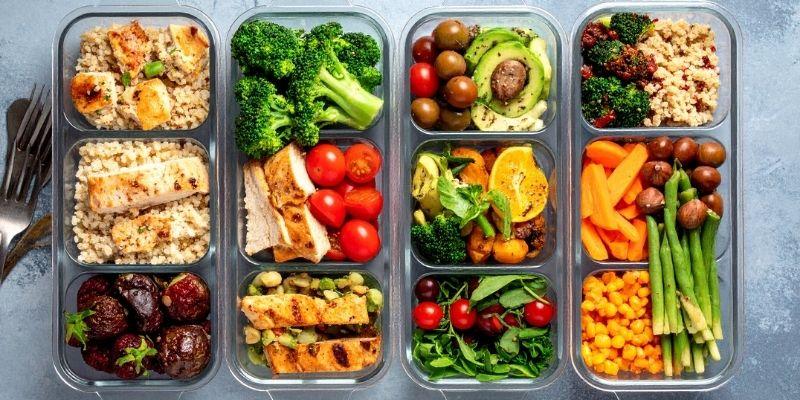
A deficit in foundational protein manifests as reduced hair shaft thickness, increased fragility, and slow nail growth. Patients recovering from periods of severe caloric restriction or managing significant inflammatory bowel disease often exhibit these symptoms due to malabsorption. Sources of high biological value protein, such as fish, and legumes, ensure a readily available supply of these necessary precursors.
Beyond structural protein, the dermis requires collagen for its tensile strength and elasticity. Collagen synthesis itself is metabolically demanding, requiring the specific amino acids glycine and proline. More critically, the enzymatic conversion of these precursors into stable, triple-helical collagen is absolutely dependent upon Vitamin C. Therefore, dietary strategy must ensure simultaneous intake of protein and ascorbic acid—a glass of citrus juice with a breakfast, for example—to maximize the biochemical reaction necessary for firm skin structure.
Trace Minerals Driving Cellular Proliferation and Repair
The continuous turnover of skin, hair, and nail cells necessitates a steady supply of micronutrients that function as enzyme cofactors for cell division. Iron and zinc are perhaps the two most clinically significant minerals linked to integumentary compromise. Zinc is indispensable for DNA replication and wound healing; its deficiency is frequently observed in cases of chronic, treatment-resistant acne, compromised immune response in the skin, and diffuse hair loss.
High bioavailability of zinc is key. While rich sources include red meat and oysters, much of the zinc in plant-based foods is bound by phytates, reducing intestinal absorption. Dietary planning often involves pairing zinc-rich foods with fermented products or acids to unlock the mineral. Conversely, severe, clinical zinc deficiency—acrodermatitis enteropathica—presents with a characteristic triad of dermatitis, diarrhea, and alopecia.
Iron status, measured by serum ferritin, directly influences the hair growth cycle. Even in the absence of frank anemia, low iron stores can shift hair follicles prematurely from the growth (anagen) phase into the shedding (telogen) phase. The severity of the telogen effluvium often correlates with the depth of the ferritin deficit. Dietary interventions focus on high-heme iron sources (lean beef, mussels) for superior absorption, or careful pairing of non-heme sources (lentils, spinach) with powerful absorption enhancers like vitamin C.
Lipid Support: Essential Fatty Acids and the Barrier Function
The skin's primary role is serving as a selective barrier, maintaining hydration and excluding pathogens. This critical barrier function relies on the integrity and composition of the lipid bilayer in the epidermal cells. Essential Fatty Acids (EFAs), particularly the Omega-3 series (EPA and DHA), are integrated directly into these cell membranes, influencing their fluidity and modulating the skin's inflammatory response.
Adequate intake of Omega-3s from sources such as fatty cold-water fish (salmon, sardines) or flaxseeds helps stabilize the membrane structure and provides the body with substrates for anti-inflammatory eicosanoids. In inflammatory skin conditions like eczema, psoriasis, or chronic xerosis, a deficiency in these anti-inflammatory lipids exacerbates symptoms. The skin appears dry, flaky, and prone to rapid moisture loss because the lipid barrier is structurally compromised.
Furthermore, proper fat digestion and absorption are required for the utilization of the fat-soluble vitamins A, D, E, and K. A diet overly restricted in healthy fats, regardless of its overall nutritional density, risks creating secondary deficiencies in these crucial cofactors. For example, Vitamin E, found in avocado and sunflower seeds, acts as a primary antioxidant within the lipid layers of the cell membrane, protecting against free radical damage induced by sun exposure. If the dietary fat required to absorb Vitamin E is absent, the antioxidant protection falters.
Antioxidants and Protection Against Environmental Stress
The continual exposure of the skin to the external environment necessitates robust antioxidant defense against free radical generation. Ultraviolet radiation and environmental pollutants induce oxidative stress, which degrades collagen and elastin, accelerating the visible signs of aging. Dietary antioxidants mitigate this damage by stabilizing reactive oxygen species.
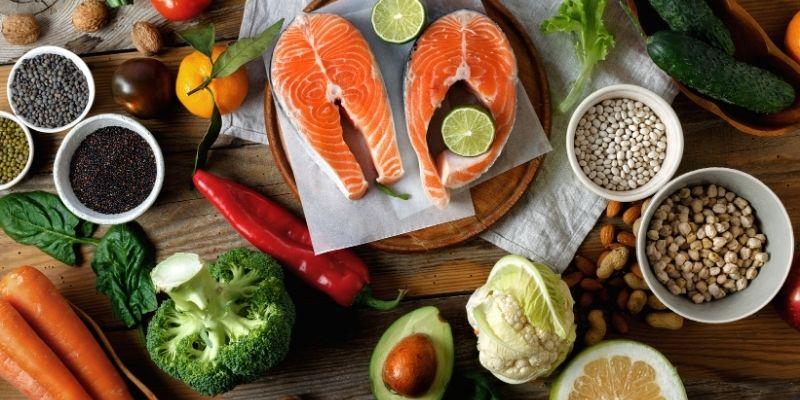
Vitamin C, aside from its role in collagen hydroxylation, is a potent water-soluble antioxidant, protecting cellular components from free radical attack. Sources like citrus, strawberries, and bell peppers offer this protection. Vitamin E, the primary lipid-soluble antioxidant, works synergistically with Vitamin C, protecting the cell's fatty membrane structures from oxidation. Pairing these two vitamins in a meal—such as a salad with an oil-based dressing (E) and citrus slices (C)—maximizes the combined protective effect.
Carotenoids, the precursors to Vitamin A found in brightly colored produce like sweet potatoes, carrots, and dark leafy greens, also offer internal photoprotection. Once deposited in the skin, these compounds can absorb energy from UV radiation, acting as a secondary line of defense alongside topical sunscreen. Their presence in the epidermis helps neutralize reactive species generated by unavoidable sun exposure, thereby supporting the long-term structural integrity of the dermis.
Conclusion
The condition of hair, skin, and nails functions as a direct index of systemic health and nutrient status. Optimal maintenance requires consistent delivery of raw materials: sulfur-rich proteins for the keratin matrix, Omega-3 fatty acids for the lipid barrier, and trace minerals like iron and zinc to drive cellular replication. A dietary strategy focused on the bioavailability and synergistic action of these components provides the biochemical infrastructure necessary to sustain healthy tissue turnover and robust defense against environmental stressors.