
Saving money sounds simple until real life gets involved. Rent or mortgage payments arrive on schedule. Groceries rise in price without warning. Small treats become habits. Then the question appears at the end of the month: how much should actually be saved? There is no single number that fits everyone. The right amount depends on income, costs, and what you want your money to do for you later.
Saving is not only about the future. It is also about making the present feel calmer. A savings plan reduces the panic that comes with broken appliances, medical bills, or job changes. The aim is not perfection. The aim is progress that feels possible and steady.
Why The Question Matters More Than The Formula?
Many financial rules suggest saving a fixed percentage of income. You may hear advice like saving ten or twenty percent of what you earn. These ideas work as rough guides, but they ignore context. Someone paying high rent in a large city may struggle to save the same share as someone with lower housing costs. Someone paying off debt will have different limits than someone who is debt free.
The better approach is to treat saving as a priority inside your budget rather than as what is left over. When saving is planned first, spending adjusts around it. When saving is an afterthought, it often disappears.
Start With Your Real Numbers
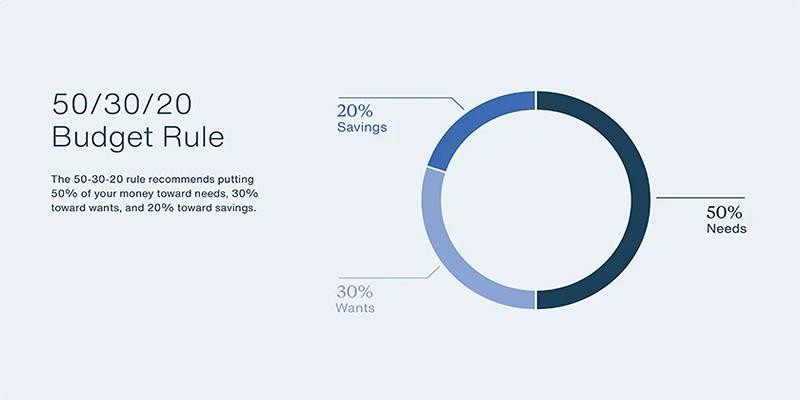
The first step is knowing what comes in and what goes out. Income should be counted after taxes and deductions, since that is the money you can use. Expenses should include fixed bills and everyday spending such as food, transport, and personal items.
Once these numbers are clear, you can see what space exists for saving. If there is already money left at the end of the month, that amount can be directed into savings. If there is nothing left, small changes may be needed before saving grows. This may feel slow, but it is more honest than forcing a target that cannot be kept.
Separate Safety From Goals
Not all savings serve the same job. Some money is meant to protect you from trouble. Some money is meant to move you toward something you want. Mixing these two ideas can cause confusion.
Safety savings, often called an emergency fund, are for unexpected events. A common aim is to build enough to cover several months of basic living costs. This does not have to happen all at once. It can be built slowly with monthly contributions.
Goal savings are for known plans. These might include a holiday, education, or a home deposit. These funds often have a timeline. Knowing when the money will be needed helps decide how much to save each month.
By separating safety money from goal money, you avoid using one for the other. This keeps plans clear and reduces stress.
Look At Your Stage Of Life
The right savings amount changes with time. A student or new worker may only be able to save a small amount. A mid career worker with stable income may save more. A parent with young children may have higher daily costs and lower savings capacity for a while.
Rather than judging your savings against others, it helps to ask whether your current amount fits your situation. Saving five percent of income when starting out can be a strong habit. Later, that habit can grow into ten or fifteen percent when income rises.
Make Saving Automatic
One of the strongest tools for saving is removing choice from the process. Automatic transfers from your main account into savings on payday turn saving into a routine. The money moves before it can be spent on other things.
This does not need to be a large sum. Even a small automatic transfer builds consistency. Over time, these small amounts become meaningful. They also reduce the mental effort of deciding every month whether to save.
Adjust Instead Of Giving Up
Some months will not match the plan. A car repair or family event can reduce what you save. This does not mean the plan failed. It means life happened. The important part is returning to the habit the following month.
It can help to review savings every few months. If the amount feels too tight, it can be lowered slightly. If income increases, the savings amount can rise as well. A flexible plan lasts longer than a rigid one.
Balance Saving With Debt And Enjoyment

Saving does not exist in isolation. Debt payments matter too. High interest debt can block progress because interest eats into future income. In those cases, splitting money between savings and debt can make sense. This keeps a small safety cushion while reducing long term costs.
Enjoyment also matters. A plan that removes every small pleasure often collapses. Money is not only for survival. It is also for living. Leaving room for simple enjoyment makes saving feel less like punishment and more like balance.
A Practical Way To Choose A Monthly Amount
A useful approach is to begin with a percentage that feels manageable and then convert it into a number. For some people, five percent of income is a starting point. For others, ten percent may work. The key is choosing an amount that can be repeated every month without creating constant tension.
Another method is goal based. If you want to build an emergency fund equal to three months of expenses in two years, divide that total by twenty four months. That becomes your monthly target. The same method works for travel or large purchases.
These methods can be combined. You may save a percentage for long term security and a fixed amount for a specific goal.
Watch How Your Money Grows
Seeing progress helps motivation. A savings balance that rises each month shows that effort is working. This feedback can make saving feel less abstract. It turns a future idea into a visible result.
It also builds trust in yourself. Each month you save, you prove that the plan is possible. That confidence makes it easier to raise the amount later if needed.
When Saving Feels Impossible?
There are periods when saving seems out of reach. Low income, health problems, or caring responsibilities can absorb all available money. In those moments, the focus shifts from growth to survival. That does not mean saving will never happen. It means timing matters.
Even in hard periods, a symbolic amount can help keep the habit alive. Saving a small amount each month can preserve the routine until circumstances improve.
The Emotional Side Of Prioritizing Savings
Saving is not only math. It is emotional. It involves choosing future comfort over present spending. That choice can feel heavy when income is limited. It can also feel empowering when progress appears.
Money habits often reflect deeper beliefs about security and worth. Learning to save regularly can change how you view money. It becomes a tool rather than a source of fear.
Conclusion
How much you should save each month depends on your income, your costs, and your goals. There is no universal rule that fits every household. A better guide is a plan that covers safety first, supports personal goals, and fits real life. Starting with a small, repeatable amount builds momentum.
Automatic transfers protect the habit. Adjustments keep it realistic. Over time, saving becomes less about sacrifice and more about stability. The right amount is the one you can keep, month after month, while still living your life today and preparing for tomorrow.