Romania has often been misunderstood, wrapped in stereotypes that don't quite capture the reality of life here. When outsiders think of this country, they sometimes imagine nothing more than Dracula, gray communist blocks, and remote villages with horse carts.
As someone who grew up here, I find these ideas far too limiting. Romania is more layered, more complex, and far more interesting than the clichés suggest. In this piece, I aim to address some of the most common myths surrounding my country and share what life is truly like from a native's perspective.
Debunking Myths About Romania – Insights from a Local
Myth 1: Romania Is All About Dracula
The first image many travelers have of Romania comes straight out of Bram Stoker’s Dracula. While the story is gripping, it’s fiction. Vlad the Impaler, the historical figure loosely connected to the legend, never lived in a gothic castle filled with bats. Romania has castles, yes, but they carry centuries of diverse stories: kings, queens, noble families, and even fortresses built to withstand invasions. Transylvania, where Bran Castle stands, is beautiful on its own merit. Rolling hills, fortified churches, and Saxon villages define it more than a vampire tale. Dracula may draw curiosity, but it is hardly the soul of Romania.
Myth 2: Romania Is a Poor and Backward Country
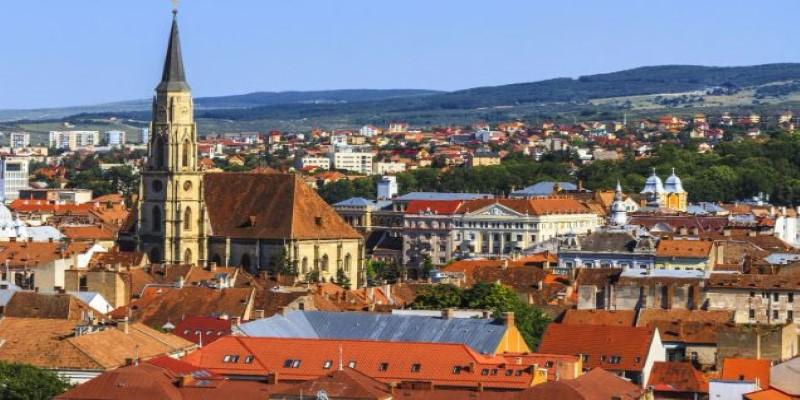
Romania has its challenges, just like anywhere else, but to call it backward ignores the truth of how society has changed. Cities like Cluj-Napoca, Iași, and Bucharest have thriving IT industries, universities that attract international students, and burgeoning start-up scenes. In rural areas, modernization coexists with tradition, and you'll find people using smartphones while tending family farms. Infrastructure is continually improving, and many Romanians travel, study, or work abroad. The economy has experienced difficult periods, but the narrative of a permanently impoverished country is no longer accurate.
Myth 3: Romanian Villages Are Stuck in Time
The countryside does carry old-world charm, with painted wooden gates, haystacks, and shepherds guiding their flocks. But villages are not frozen in history. People have satellite dishes, internet access, and cars parked next to traditional houses. Some traditions, like weaving or Easter egg painting, are cherished not out of necessity but out of pride. Tourists often mistake the preservation of traditions for a lack of development. The truth is that many villagers choose to preserve their customs while living comfortably in the modern age.
Myth 4: Romanian People Are Cold or Distrustful
Another stereotype paints Romanians as reserved or unwelcoming. The reality is different. Romanians may take a little time to open up, but once they do, they are generous and loyal friends. Hospitality is woven into the culture. A guest in a Romanian home will rarely leave without being fed, sometimes more than they can handle. It’s not unusual for visitors to be treated like family after just a few hours of conversation. The supposed coldness is often just initial caution, shaped by history, not an unwillingness to connect.
Myth 5: Romania Is Dangerous
Some outsiders imagine Romania as unsafe, perhaps influenced by outdated news stories or old stereotypes about crime. While no place is completely without risk, Romania is generally regarded as a safe destination for both travelers and residents. Walking through cities late at night is common, and violent crime rates are lower than in many Western countries. The real risks are ordinary ones: traffic, occasional pickpocketing in crowded areas, or stray dogs in certain neighborhoods. Fear of danger often comes from misinformation rather than lived experience.
Myth 6: Romania Is Gray and Unattractive
People who have never visited might picture Romania as a land of gray apartment blocks, relics of the communist era. While those buildings exist, they are only one part of the story. Romania is a country with a diverse range of landscapes. The Carpathian Mountains offer a variety of hiking trails and ski resorts. The Black Sea coast attracts families in summer. The Danube Delta, a UNESCO World Heritage site, is one of the most biodiverse places in Europe. Even cities possess beauty, from medieval citadels in Brașov to Art Nouveau architecture in Oradea. The image of dull grayness erases the country's natural and cultural richness.
Myth 7: Romanian Food Is Plain

Romanian food often surprises visitors. While hearty and filling, it's far from plain. Influenced by Ottoman, Hungarian, and Slavic cuisines, meals here range from stuffed cabbage rolls to rich soups and grilled meats. Polenta served with cheese and sour cream, fresh bread from village ovens, or layered cakes passed down through generations all carry strong flavors. Food is central to gatherings, celebrations, and holidays, reflecting the blend of cultures that have shaped the country. To say Romanian cuisine is bland overlooks the diversity at the table.
Myth 8: Romanians All Leave Their Country
Many Romanians have indeed migrated for work or study, especially after the country joined the European Union. However, the notion that everyone wants to leave is not entirely accurate. Many young professionals are now returning, bringing experience and investment with them. The IT sector, agriculture, and creative industries have drawn people back. Migration is part of the story, but it doesn't define the entire population. For those who stay, the sense of home, family, and identity remains strong.
Myth 9: Romania Has Nothing New to Offer
The final myth is that Romania has nothing fresh or modern to contribute. That couldn’t be further from the truth. Bucharest’s creative scene is thriving with independent theaters, design studios, and co-working hubs. Cluj is known for international film festivals and music events. Small towns are restoring their historic centers and turning them into cultural landmarks. Romania is not a relic—it is a living, changing country where traditions meet innovation.
Conclusion
Romania is more than the clichés that often define it. Beyond Dracula and outdated notions of poverty, the country thrives with a rich history, traditions, and ongoing change. It's people who balance resilience with warmth, offering genuine hospitality. The landscapes shift from soaring mountains to the calm of the Danube Delta, while cities blend medieval charm with modern life. Those who look past stereotypes discover a place that is both familiar and surprising, with stories richer than any myth could capture.