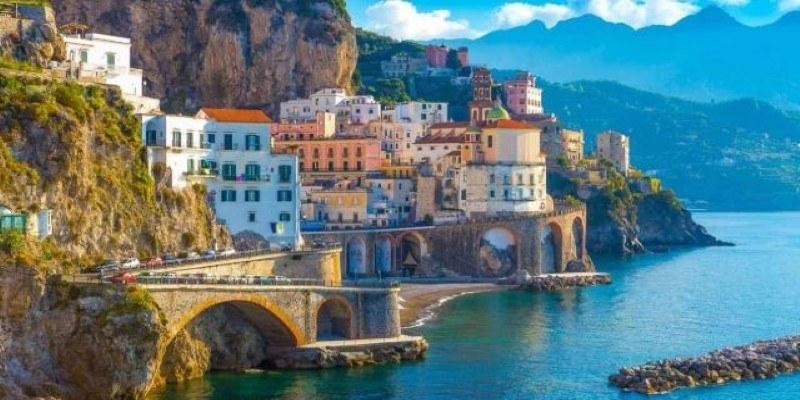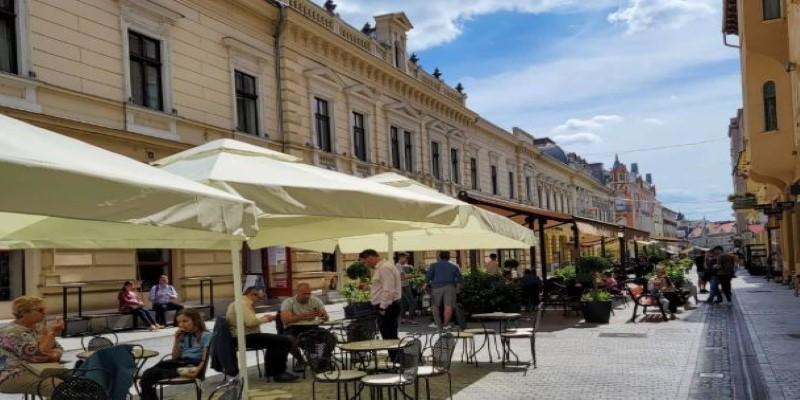
A trip across Croatia’s Adriatic coast pulls different generations into the same rhythm without forcing anyone to match pace. The coast doesn't cater to just one kind of traveler. There's room for the early risers, the museum hoppers, the slow walkers, the impatient swimmers. Coastal towns stay quiet enough for toddlers to nap in the afternoon but active enough to hold a teenager’s attention after dinner. Croatia fits the kind of trip where three generations can move together without stepping on each other's heels, and without the itinerary feeling like a compromise. That's rare, and it matters.
The Coast Works on Its Own Schedule
There’s no urgency along the Dalmatian coast. Ferries leave late. Beach umbrellas stay half-full until well past noon. Breakfast often stretches into lunch. That pace suits travelers of different ages. A retired couple gets time to sit with coffee by the harbor. Parents can ease into the day without sprinting between attractions. Kids don’t need to be rushed out of the sea because there’s always another ferry or a later dinner.
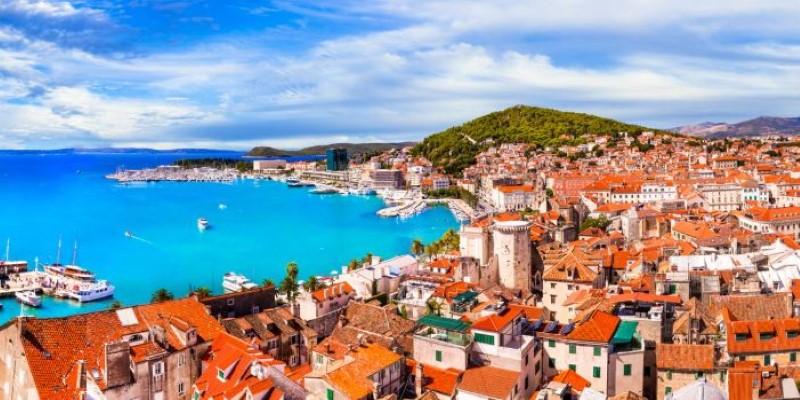
In Split, the promenade holds a rhythm of its own. Families sit along the edge while teenagers drift toward the shops. Diocletian’s Palace isn’t roped off or stiff. It weaves through bakeries and cell phone stores, making it easy to absorb history in pieces. That flexibility matters with groups spanning several decades. There’s no need to carve out specific hours for sightseeing. The city’s layout allows it to happen gradually.
In Hvar, that slow pace stretches out even more. Ferries from Split take time, often longer than scheduled. That unpredictability can throw off travelers used to tight schedules. But for multigenerational travel, the looseness helps. It buys time to settle in and shift expectations. Kids can stretch their legs on deck, grandparents aren’t rushed into unfamiliar transit, and delays start to feel less like problems and more like the shape of the trip.
Accommodation Choices Matter More with Age Gaps
Where a family stays can shape the pace of the entire trip. Along Croatia’s coast, the usual mix of apartments, small hotels, and guesthouses works better than oversized resorts. In places like Split and Dubrovnik, apartments near the old towns are everywhere, but not all of them are equal when you’re traveling with three generations. Some buildings hide five flights of stairs behind a charming exterior, with no elevator in sight. Listings marked “central” might still be tucked behind uneven stone paths that aren’t stroller or knee-friendly.
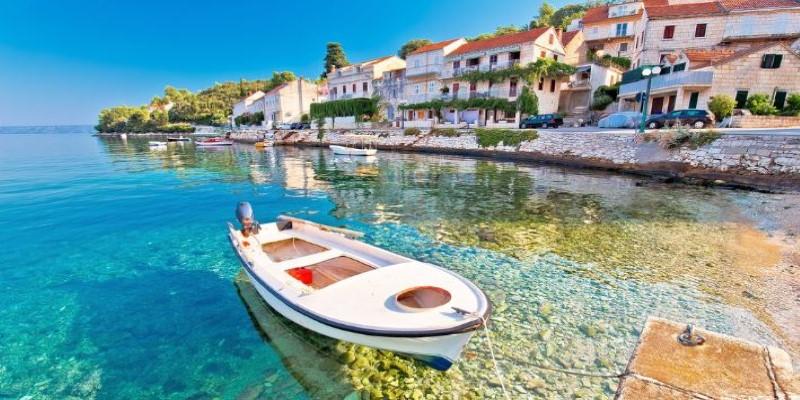
For travelers juggling nap schedules, medication routines, or just needing a quiet place to cool down, the wrong layout can derail a whole day. That’s why it helps to dig deeper—ask for photos of the entrance, check the location on satellite view, or reach out to hosts directly.
In smaller towns like Trogir and Korčula, family-run villas often have two or three compact units in one building. These setups strike a rare balance: everyone stays close, but not too close. Teenagers can wander, toddlers can sleep, and no one feels crammed together. These places don’t always show up on big platforms with enough detail, so local agents still matter here. The goal isn’t just comfort—it’s making space for everyone to breathe.
Meals Stretch into Conversation, Not Logistics
Restaurants in Croatia don’t rush anyone. Servers leave space between courses. Tables aren’t cleared the moment a meal ends. For multi-generational travel, that pace removes stress from the meal itself. There’s time for kids to wander and return. Older travelers can eat slowly without feeling like they’re holding others up. That natural gap between courses works better for families trying to talk, or for children eating in phases.
Menus tend to carry grilled seafood, stewed vegetables, and fresh bread—items that don’t need interpretation. Local spots often accommodate simple modifications without fuss, which helps when traveling with dietary restrictions or picky eaters. But one thing to keep in mind is that kitchens often close earlier than in other Mediterranean countries. A group arriving at 9:30 PM may find fewer options in smaller towns.
Reservations are rarely required unless it’s peak July-August. Even then, a local guesthouse owner or apartment host can usually call ahead and hold a table. These informal systems work better than apps or email forms. Families traveling together sometimes get better seating outdoors, where small kids can move around while others linger. In more tourist-heavy areas like Dubrovnik, timing matters more. Early dinners mean less waiting and less heat, especially for older travelers managing health needs.
Movement Between Towns Requires a Loose Hand
Travel along Croatia’s coast tends to fall into a north-south rhythm, but that doesn’t mean it’s straightforward. A bus might link two towns, but that doesn’t help much if someone needs a restroom halfway through or can’t handle standing in a packed aisle. Some ferry ports sit at the bottom of long inclines, which can turn a short walk into a challenge for anyone with mobility issues or a stroller. Renting a car sounds easy until you circle a walled city for half an hour looking for parking that doesn’t exist.
Local drivers fill the gap. A private transfer lets families move when they're ready, stop as needed, and skip the baggage-hauling routine. It's a little more expensive, but it saves arguments and sore backs. This option works especially well in May and September when ferry timetables thin out, and delays get harder to work around.
Ferries come in different formats. Fast catamarans are efficient but tight. Slower car ferries take longer but offer more space and a calmer ride. For groups juggling different physical needs, that extra hour often feels like a relief, not a loss. Weather shifts can cancel sailings last-minute, so keep plans loose. What works best isn’t always the fastest; it’s what feels the least stressful.
Conclusion
Croatia doesn’t flatten into one version of a trip. It gives families space to shape their days around different needs without splitting into separate vacations. The coast offers places to pause and begin again. Meals come without pressure. Movement stays loose but reliable. That balance isn’t accidental. It’s shaped by centuries of travel, trade, and waiting on the weather. For travelers in mixed-age groups, it makes a real difference.