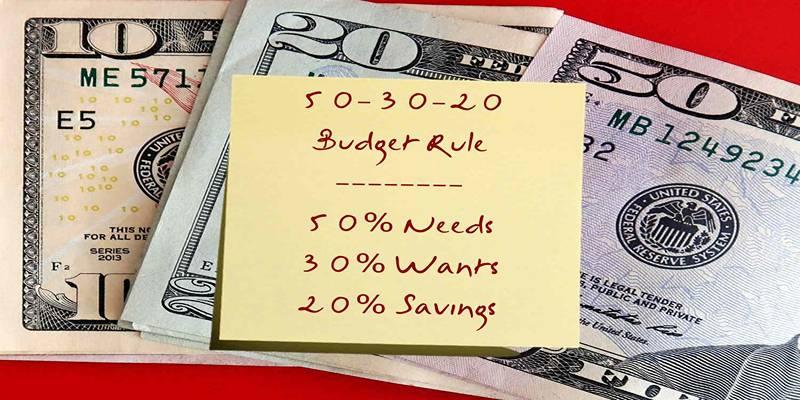
Money choices feel easier when everything fits neatly into a box. Food is a need. A new phone is a want. Real life is not always that clear. The line between necessities and luxuries shifts with income, location, health, and family size. Still, knowing the difference helps people decide where money should go first and where it can be trimmed when things get tight.
At the most basic level, a necessity is something required for normal living. A luxury is something that improves comfort or enjoyment but is not required for survival or basic function. This sounds simple, yet daily spending often blends the two.
What Counts as a Necessity?
Necessities cover the basics of living and working. These usually include shelter, food, water, clothing, basic health care, and transportation that allows someone to earn a living or attend school. Utilities such as electricity and heat also fall into this group because modern life depends on them.
A necessity supports stability. Without it, daily life breaks down. Rent or mortgage payments keep a roof overhead. Groceries keep people fed. Medicine keeps people healthy enough to function. A bus pass or basic car may be needed to get to work. These items are not about comfort or status. They are about keeping life running.
Even within necessities, there are levels. Food is a necessity, but eating out every night is not. Clothing is a necessity, but designer brands are not. Housing is a necessity, but a large home with extra rooms may move beyond that line. The core need is met before the extra features are added.
What Makes Something a Luxury?

A luxury is something that adds pleasure, style, or convenience beyond what is required. Luxuries can be physical items, like expensive electronics or jewelry, or experiences, like travel and entertainment. They are not wrong or wasteful by default. They simply come after needs are covered.
A luxury often has cheaper substitutes. Streaming services are a luxury because free television and radio already exist. A high end coffee drink is a luxury because water and basic coffee meet the need for hydration and caffeine. A luxury car is a luxury because a basic car can still provide transportation.
Luxuries are usually flexible. They can be delayed, reduced, or skipped without harming health or safety. This is what makes them useful in budgeting. When money is tight, luxuries are the first area to shrink.
Why the Difference Matters?
The difference between necessities and luxuries matters most during planning and stress. When income is steady, the line may not feel important. When income drops or bills rise, the line becomes very real.
Budgets built around necessities first protect the basics. They reduce the risk of missing rent or running out of food. Luxuries then fill the remaining space. This order keeps short term enjoyment from threatening long term stability.
It also helps with guilt and pressure. If spending cuts are needed, cutting luxuries feels less personal than cutting necessities. The change becomes about priorities rather than punishment.
How Income Changes the Line?
Income shifts what feels necessary. For a high income household, internet access may feel like a necessity because work and communication depend on it. For a low income household, the same service may feel like a luxury if free access is available elsewhere.
Health and location also matter. Air conditioning may be a luxury in one climate and a necessity in another. A car may be optional in a city with public transport and essential in a rural area. Childcare may be a luxury for one family and a necessity for another because both adults must work.
This means the line is personal, not fixed. Two households can label the same item differently based on real conditions.
Common Areas of Confusion

Some spending sits in the gray zone between necessity and luxury. Phones are a good example. A basic phone that allows calls and messages can be a necessity for work and safety. The newest model with extra features leans toward luxury. Internet service is similar. Basic access may be necessary for school or work, while high speed packages and multiple subscriptions lean toward comfort.
Food is another area. Groceries are a necessity. Brand name snacks and frequent takeout meals are luxuries layered on top of that need. Transportation works the same way. A reliable used car can be a necessity. A new car with extra features is often a luxury choice.
Recognizing these layers helps when trimming a budget. The goal is not to remove the entire category, but to reduce it to the level of true need.
Emotional Spending and Social Pressure
Luxuries are often tied to emotion. They signal reward, belonging, or success. Advertising and social media increase this pressure by showing lifestyles that look normal but are costly. This can blur the line between what is needed and what is wanted.
People may feel that certain luxuries are required to keep up. New clothes for every season, frequent travel, or the latest gadgets can start to feel like necessities when they are actually social expectations. Seeing this clearly can reduce stress and help spending match real values instead of outside pressure.
Using the Difference to Build a Strong Budget
A practical way to use this difference is to separate spending into two lists. One list holds necessities. The other holds luxuries. The first list gets funded first. The second list gets funded only after the first is secure.
This approach also helps with savings. Emergency savings belong with necessities because they protect housing, food, and health in the future. Entertainment savings belong with luxuries because they support enjoyment rather than survival.
Over time, this structure makes choices easier. When money is available, luxuries can be enjoyed without worry. When money is tight, cuts are clear and focused.
Teaching the Difference
Children and teenagers benefit from learning this idea early. Allowance and small budgets can show how money must cover needs before wants. This builds a habit of priority rather than impulse.
Adults also relearn this lesson during life changes. Job loss, illness, or family growth often force a reset. People discover which items they truly miss and which they can live without. This experience can sharpen long term financial judgment.
A Balanced View
Luxuries are not enemies of good finances. They bring joy, rest, and motivation. A life without any luxuries would feel empty. The issue arises when luxuries crowd out necessities or savings.
Balance means meeting needs first, then choosing luxuries that match values. Someone who loves travel may spend little on clothes. Someone who enjoys food may skip other entertainment. The label of luxury does not mean wrong. It means optional.
Conclusion
The difference between necessities and luxuries lies in purpose. Necessities support basic living and stability. Luxuries add comfort and pleasure but are not required for daily function. The line changes with income, location, and personal situation, yet the idea stays useful. When people know which costs protect their foundation and which ones decorate it, they gain control over spending. This clarity reduces stress, improves budgeting, and makes both saving and enjoyment feel intentional rather than accidental.