Kerala stretches along India’s southwestern coast, framed by the Arabian Sea on one side and the slopes of the Western Ghats on the other. This geography shapes nearly every aspect of life in the region, from climate and agriculture to food, architecture, and daily routines. Often described as one of the most distinctive regions in South India, Kerala offers a travel experience that feels measured rather than hurried, rooted in observation rather than spectacle.
What sets Kerala apart is not a single attraction but the way landscapes, culture, and water intersect. Life here unfolds slowly, influenced by monsoon cycles, river systems, and long-established social traditions. For travelers, this creates an experience that feels immersive and grounded, encouraging time spent watching, listening, and moving at a natural pace.
Natural Landscapes of Kerala
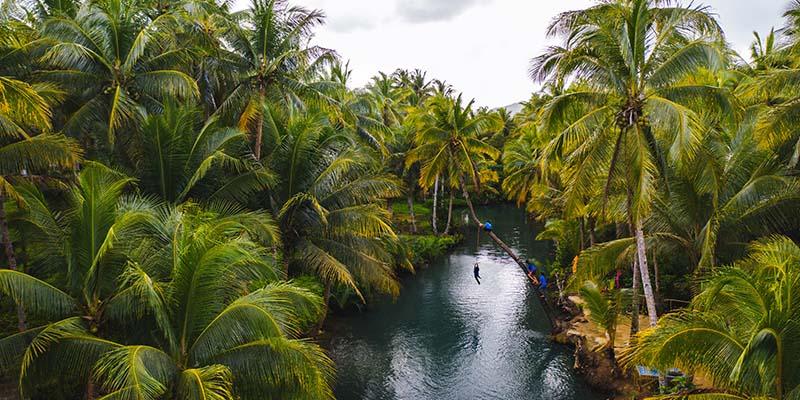
Nature in Kerala presents itself in layers rather than dramatic contrasts. Moving inland from the coast, palm-lined beaches gradually give way to lagoons, wetlands, farmland, and eventually the cooler elevations of the Western Ghats. Each zone supports different ecosystems and ways of life, making travel through the state feel continuously varied.
Hill regions such as Munnar sit among rolling tea plantations and mist-filled valleys. Here, cooler temperatures shape daily routines, and mornings often begin wrapped in fog that slowly lifts to reveal terraced hillsides. These landscapes are not isolated retreats but working environments, where agriculture remains closely tied to local economies.
Wildlife sanctuaries and forest reserves protect large areas of dense vegetation, supporting elephants, birds, and countless plant species. These protected areas highlight Kerala’s long-standing emphasis on environmental preservation and coexistence with nature rather than domination of it. Even short walks in these regions reveal how deeply forest and human activity are intertwined.
The Backwaters Experience
The Kerala backwaters are one of the most defining features of the state. This vast network of interconnected canals, rivers, and lakes runs parallel to the coastline, linking villages, rice paddies, and small towns. Unlike rivers that act as boundaries, the backwaters function as shared spaces, shaping transport, trade, and social life.
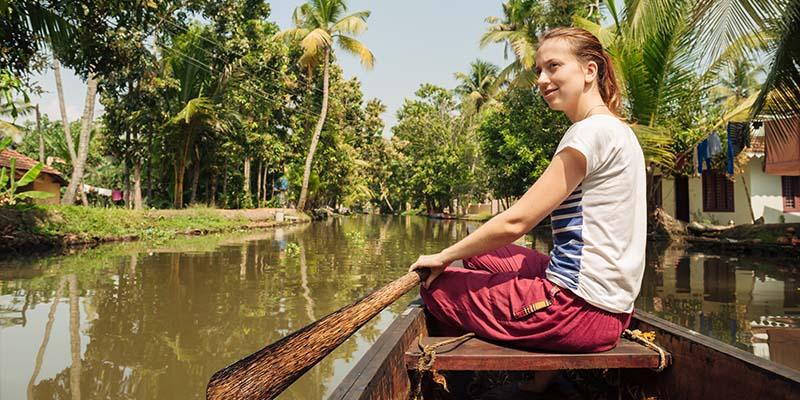
Houseboat journeys through areas such as Alleppey and Kumarakom provide insight into how communities live alongside water. From the deck, travelers observe fishermen casting nets, children commuting by boat, and farmers tending fields just inches above water level. These scenes unfold quietly, without performance or interruption.
Traveling by water removes urgency. Movement is slow, meals are prepared onboard, and scenery changes gradually. This rhythm allows visitors to absorb details that are often missed when traveling by road. The backwaters are not a single attraction but a living system that reveals itself through patience and attention.
Coastline and Fishing Communities
Kerala’s coastline extends for hundreds of kilometers, shaped by fishing traditions that remain central to daily life. Villages along the shore wake early, with boats returning at dawn and markets filling soon after. The beach here functions as workspace as much as leisure space.
Unlike heavily developed resort coastlines elsewhere, many Kerala beaches remain open and understated. Palm trees, fishing nets, and simple houses define the view more than large structures. Travelers who spend time in these areas gain perspective on how closely livelihood and environment remain connected.
Coastal life also influences food culture, architecture, and local schedules. Evenings are often quieter, shaped by tides and weather rather than after-dark activity, reinforcing the slower rhythm that defines the region.
Culture, Traditions, and Daily Life
Kerala culture reflects centuries of trade, migration, and cultural exchange. Long before modern tourism, the region interacted with merchants from the Middle East, Europe, and Southeast Asia. These connections left visible marks on religion, language, and social structure.
Hindu temples, Christian churches, and mosques frequently exist within the same neighborhoods, not as symbols of division but as reflections of long-standing coexistence. Festivals, rituals, and daily practices often overlap, creating a cultural environment shaped by continuity rather than contrast.
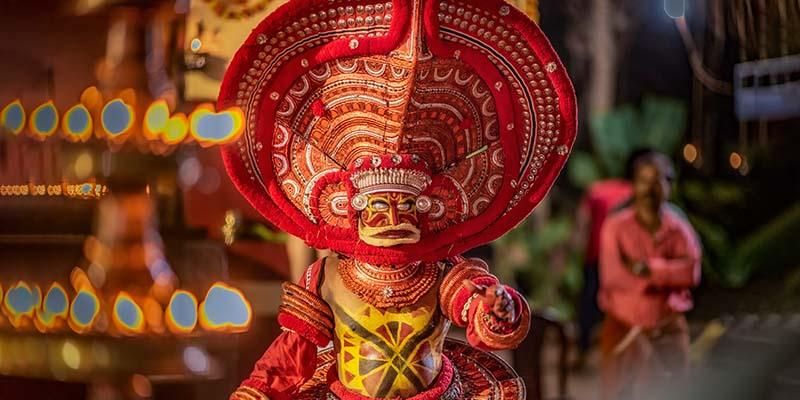
Classical art forms such as Kathakali, Kalaripayattu, and Mohiniyattam remain part of cultural life, performed not only for visitors but within local contexts. These traditions emphasize storytelling, discipline, and shared heritage, reinforcing the idea that culture here is lived rather than preserved behind glass.
Ayurveda and Wellness Practices
Wellness in Kerala is closely tied to Ayurveda, a system of medicine practiced in the region for centuries. Unlike spa-centered wellness tourism, Ayurvedic traditions in Kerala are rooted in everyday life, focusing on balance, diet, climate, and routine.
Many travelers choose treatments or consultations during their stay, but even without formal sessions, Ayurvedic principles influence local food, daily schedules, and approaches to rest. Wellness here feels integrated into lifestyle rather than isolated as an experience.
This perspective adds another layer to travel in Kerala, reinforcing the importance of slowing down and paying attention to physical and mental rhythms.
Food and Local Flavors
Food plays a central role in understanding Kerala culture. Cuisine here relies heavily on rice, coconut, spices, vegetables, and seafood, shaped by both geography and climate. Meals are often served on banana leaves, emphasizing simplicity and balance.
Dishes vary by region and season, but many follow similar principles. Heat is balanced with acidity, richness softened by coconut, and spices used to deepen flavor rather than overpower it. Eating is often communal, tied to family and routine rather than ceremony.
Street food, home-style meals, and small restaurants all contribute to the experience. For travelers, food becomes an accessible way to connect with everyday life, offering insight without explanation.
Travel Pace and Infrastructure
One of the defining features of a Kerala travel guide is the state’s pace. Movement here rarely feels rushed. Trains, ferries, and local transport systems operate consistently, supporting travel that unfolds gradually rather than urgently.
Distances between major regions are manageable, allowing travelers to experience coast, backwaters, hills, and towns within a single trip. At the same time, each area encourages longer stays rather than quick stops, reinforcing depth over coverage.
Why Kerala Feels Distinct
What makes Kerala stand out among South India travel destinations is not a single highlight but coherence. Nature, culture, water, and daily life connect seamlessly, creating an experience that feels complete rather than fragmented.
Travel here often leaves visitors with a sense of perspective. Time spent watching water move, listening to monsoon rain, or sharing meals reshapes expectations around travel itself. Kerala does not demand constant attention. It invites presence.
Conclusion
Kerala blends nature, culture, and water-based landscapes into a travel experience defined by depth rather than spectacle. From mist-covered hills and wildlife reserves to the slow rhythms of the Kerala backwaters and the cultural diversity of its towns, the region offers insight into a way of life shaped by geography, climate, and long-standing traditions.
For travelers seeking a destination that rewards observation, patience, and connection, Kerala remains one of India’s most distinctive and enduring regions to explore.